The Perimeter Threat Environment
Modern aerial threats have evolved beyond the capability envelope of traditional air defense systems
Close the Detection-to-Defeat Loop
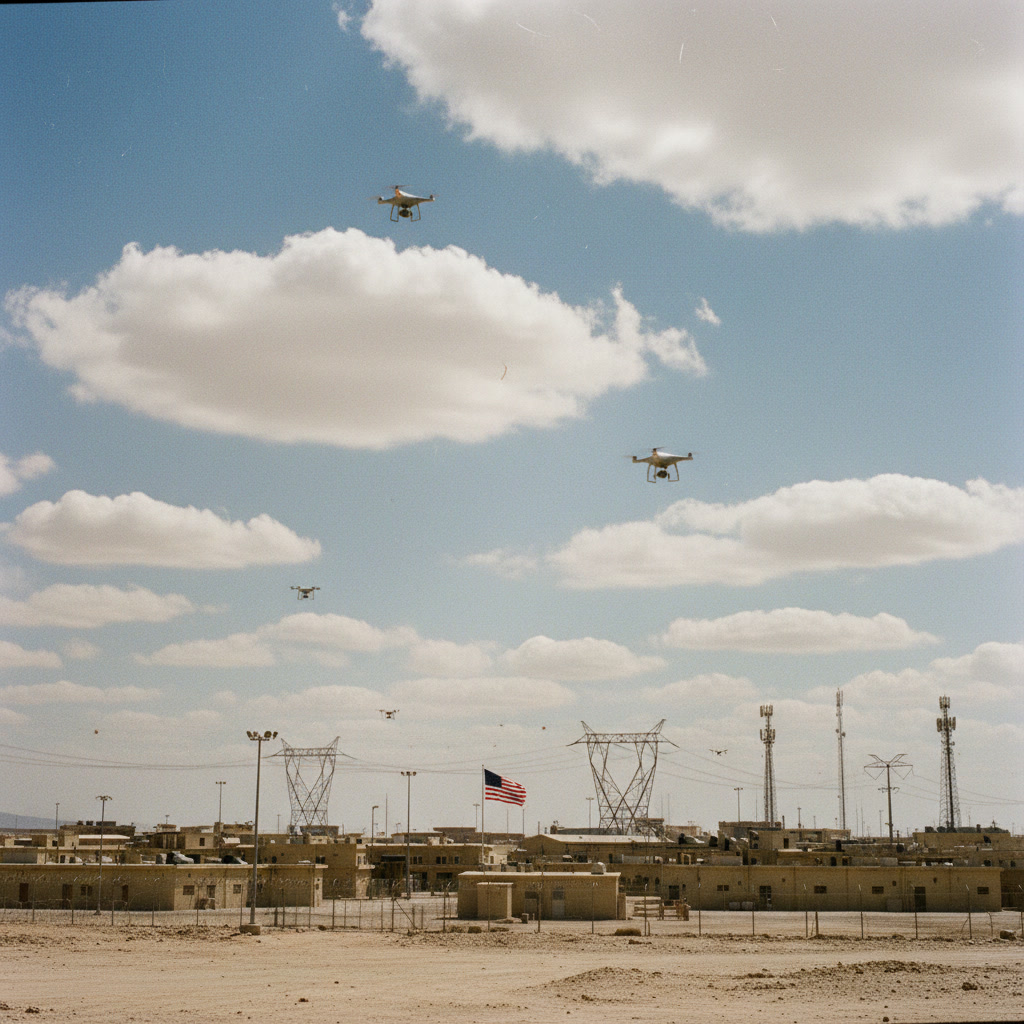
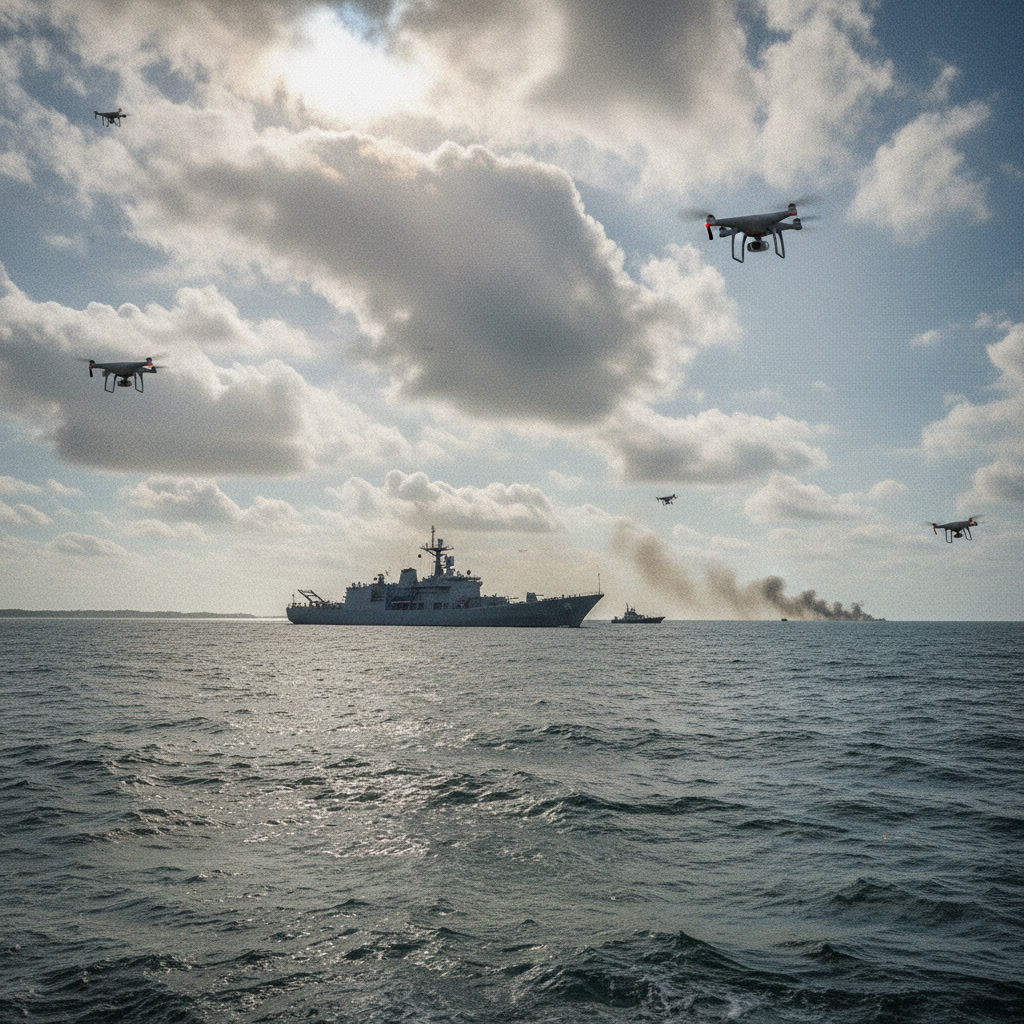
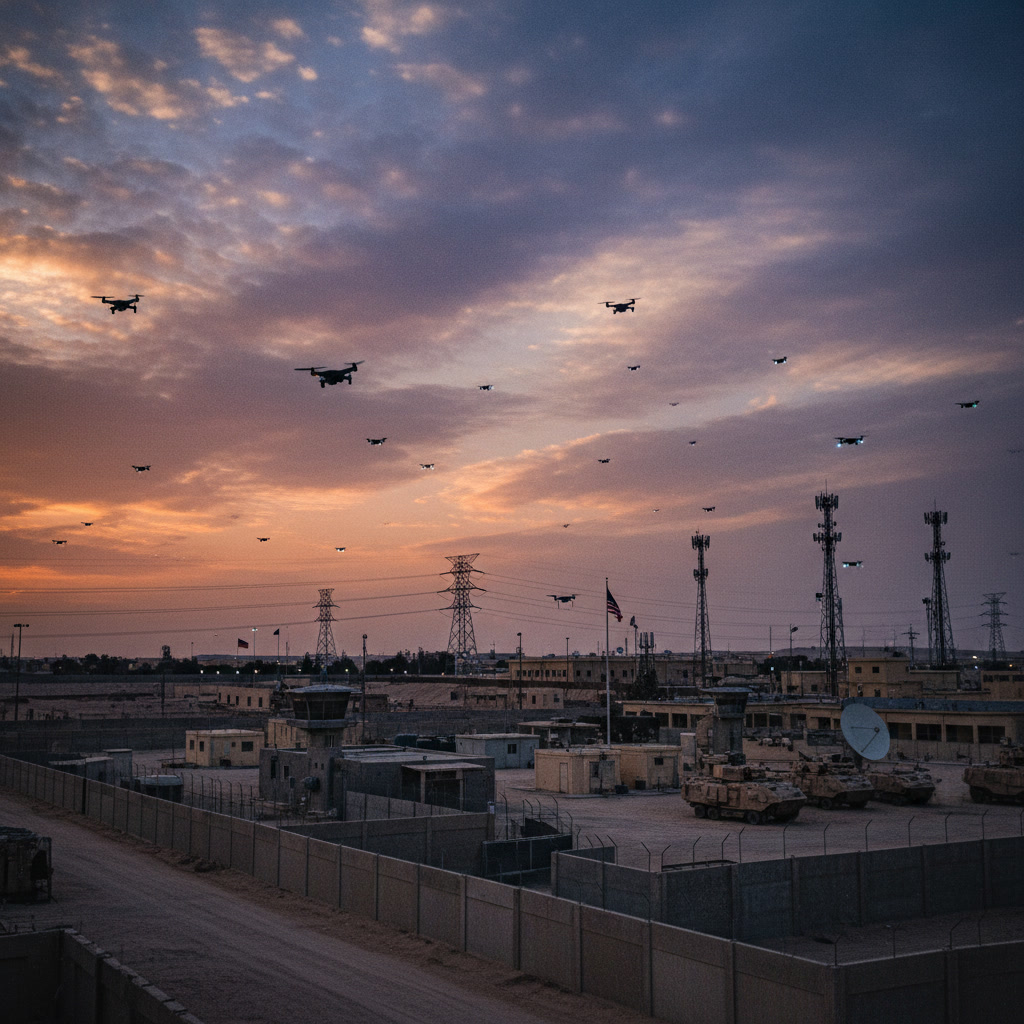
Military installations, forward operating bases, and government facilities face persistent aerial threats that expose critical vulnerabilities in modern perimeter defense.
Detection systems identify these threats with increasing accuracy, tracking their approach vectors and projecting their trajectories in real time. But identification is not elimination. Without kinetic intercept capability integrated at the tactical edge, the detection-to-defeat loop remains incomplete.
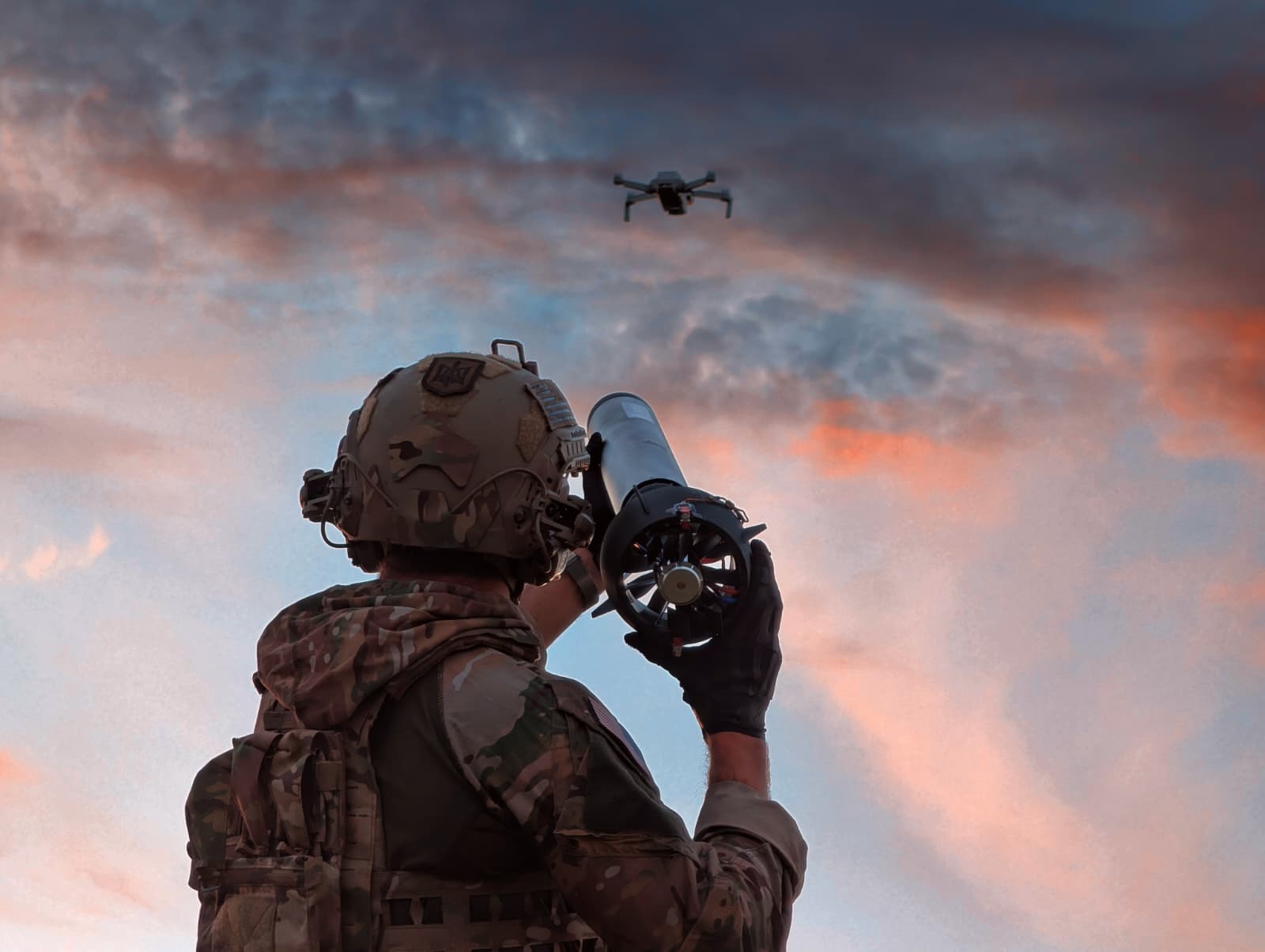
SEAM closes this gap, delivering man-portable kinetic intercept capability designed specifically for the force protection mission. With rapid deployment capability, single-operator employment, and verified intercept performance, SEAM transforms perimeter security from passive surveillance into active defense.
Modern aerial threats have evolved beyond the capability envelope of traditional air defense systems
Current counter-unmanned aircraft systems excel at detection and tracking, employing radar arrays, electro-optical and infrared cameras, and acoustic sensors. These systems provide base commanders with real-time situational awareness, generating alerts when unauthorized aircraft enter protected airspace.
But identification is not elimination. Without kinetic intercept capability integrated at the tactical edge, perimeter defense remains incomplete. Detection-only systems create a vulnerability window between threat identification and threat neutralization—a gap measured in critical seconds where adversaries can collect intelligence, adjust approach vectors, or execute strikes before defensive countermeasures take effect.
"Detection without defeat is surveillance without security."
Deployed where threats emerge
SEAM delivers kinetic intercept capability at the tactical edge of perimeter defense, transforming the force protection posture for forward operating bases, main operating bases, and government facilities. Man-portable design enables single operators to deploy intercept capability without infrastructure requirements, multi-person crews, or complex setup procedures.
SEAM delivers organic kinetic capability across the operational spectrum
Man-portable deployment establishes kinetic air defense coverage as FOBs stand up operations. Organic capability eliminates dependence on external fire support. Multiple SEAM units create overlapping coverage zones across the base perimeter.
Layered deployment positions SEAM-2 units in outer defensive ring (2-6km) while SEAM-1 units provide inner-layer protection of critical assets (0-2km). Overlapping fields of fire eliminate coverage gaps.
Man-portable positioning on rooftops and elevated positions provides urban employment capability. Low collateral damage profile suitable where traditional gun systems present unacceptable risk to surrounding structures.
Pack-and-deploy capability enables immediate perimeter defense for contingency operations. Single-operator employment reduces manning requirements. Self-contained design eliminates infrastructure dependencies.
Rooftop positioning fits constrained facility footprints. Man-portable design enables covert deployment and repositioning. Electric propulsion minimizes acoustic signature, maintaining low defensive profile.
Compatible with any C-UAS detection/tracking system. SEAM operators receive bearing and range data through existing communication channels, then execute intercept engagement based on threat assessment.
Method Endeavors conducts comprehensive perimeter assessments to determine optimal SEAM deployment architecture for your installation.
Request AssessmentFor base commanders, installation security officers, and force protection officials