Squad-Level Counter-UAS
For GPS-Denied Operations
Drones have rewritten the rules of warfare
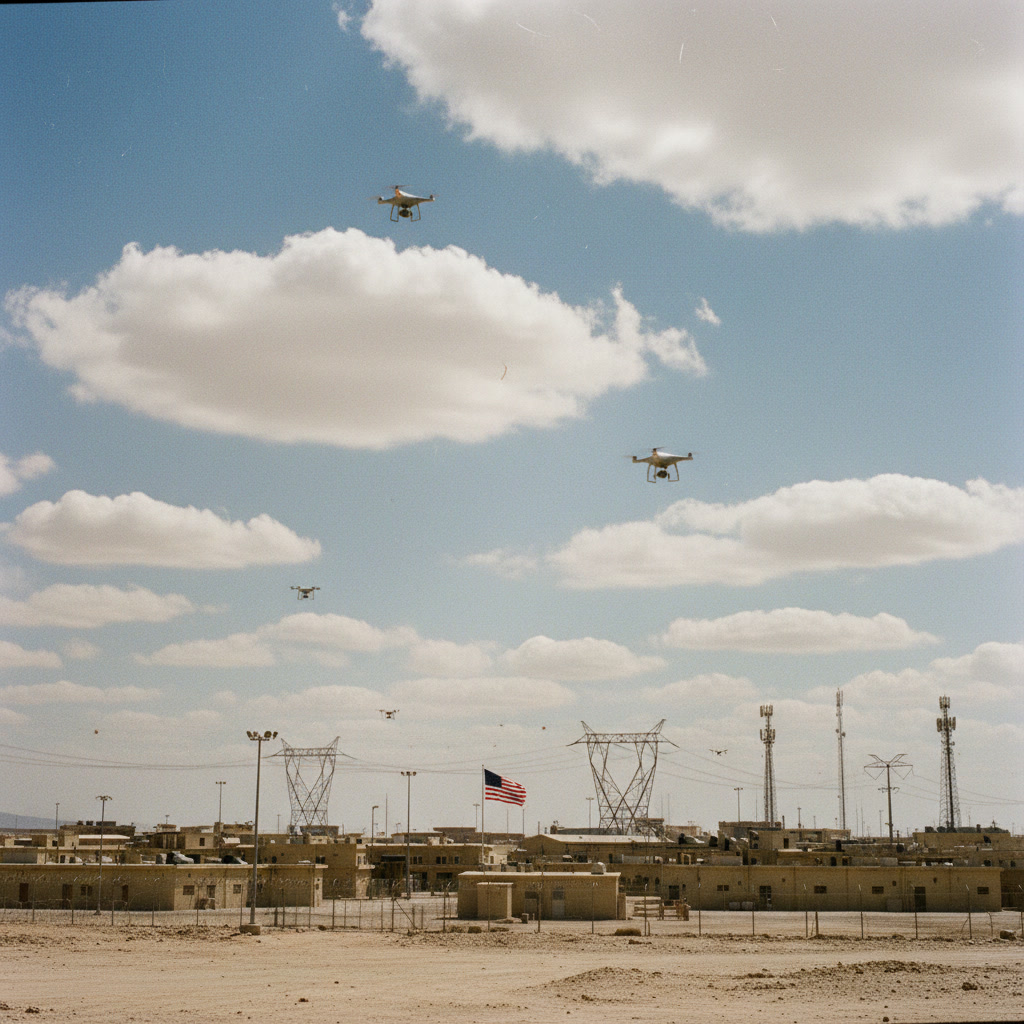
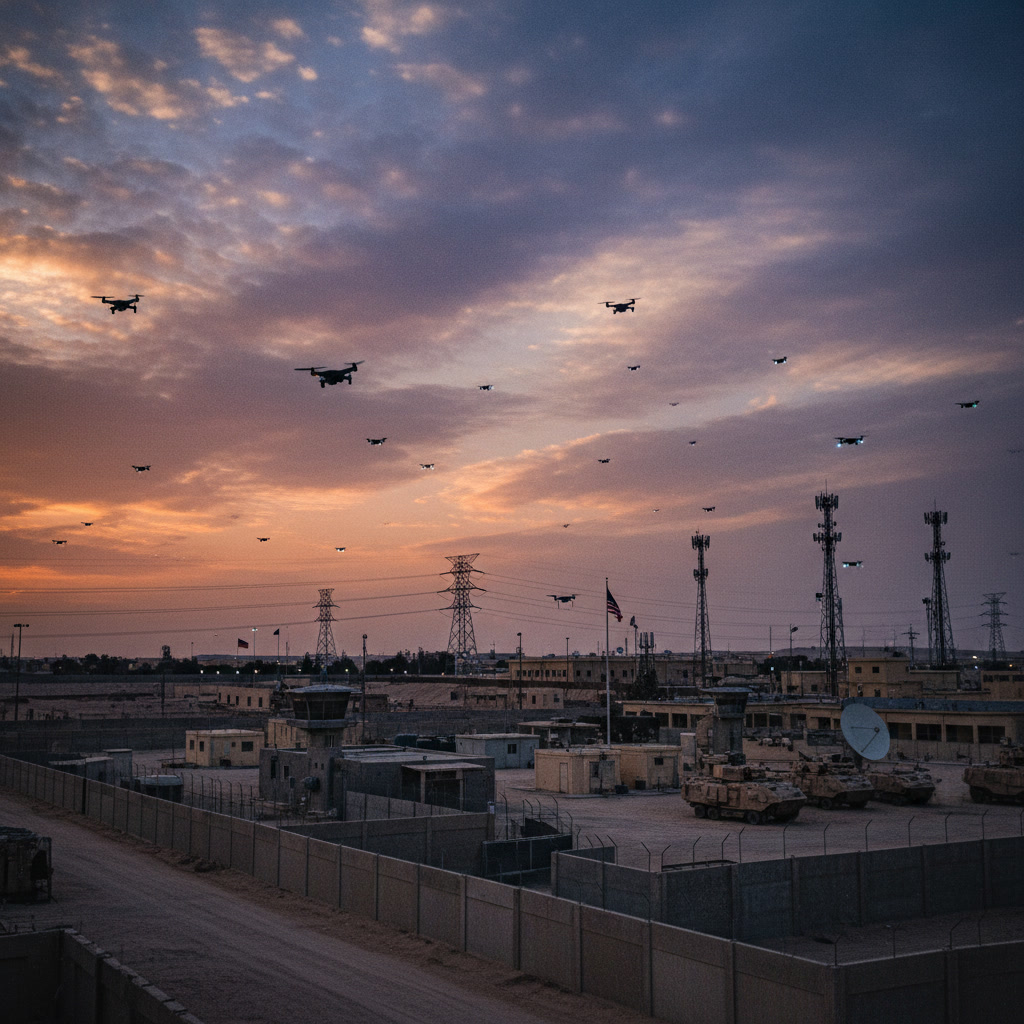
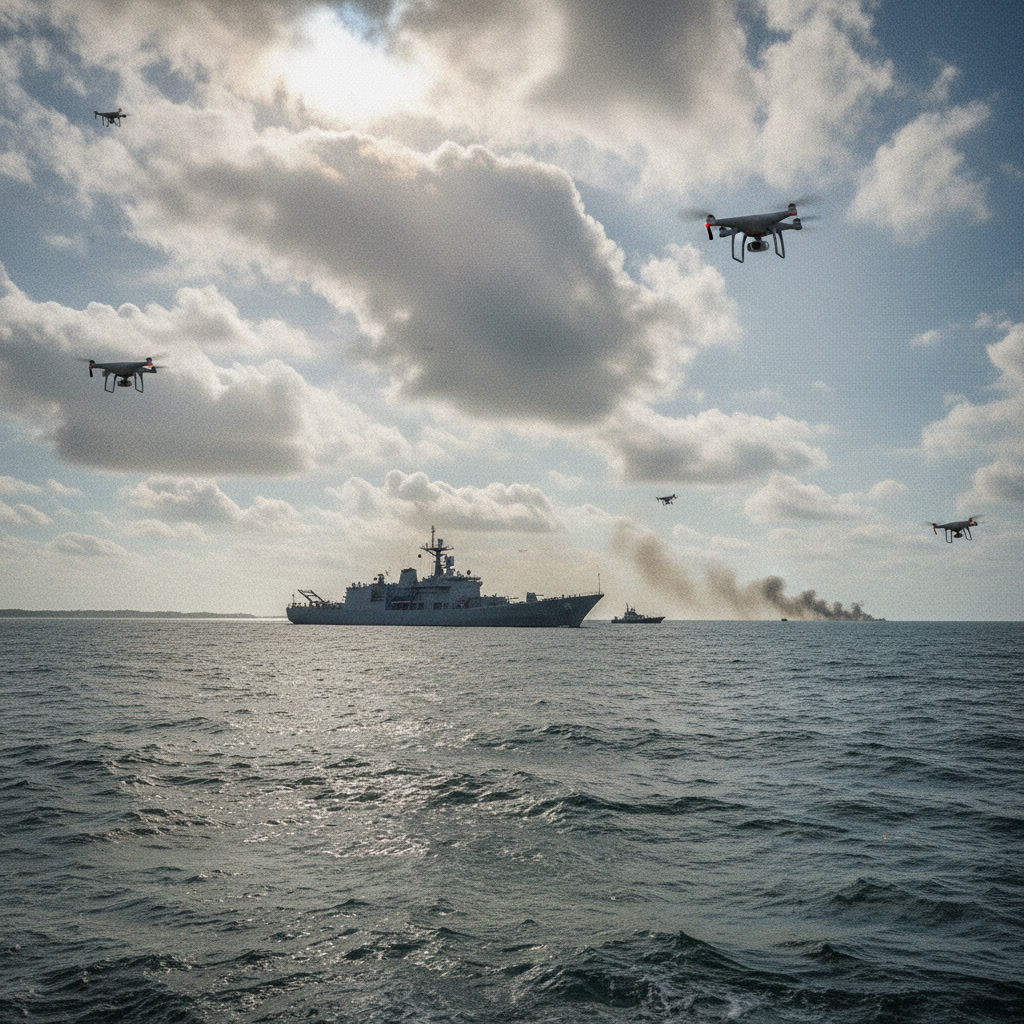
The threat profile is brutally simple. Low-cost commercial and military drones deliver high-impact effects with near-silence until the moment of impact. Modern UAS threats operate across three devastating categories: airborne munitions including FPV attack drones and loitering munitions like the Shahed-136 and Lancet-3, persistent ISR platforms using Category 1 quadcopters to provide real-time intelligence to artillery and indirect fire assets, and coordinated swarm attacks that saturate even sophisticated defenses.
These systems bypass fixed installations, strike faster than legacy air defense systems can react, and cost between five hundred and thirty-five thousand dollars per unit. An adversary can field dozens for the cost of a single traditional interceptor.
The capability gap is stark and documented: no organic, man-portable air defense exists for small unit operations in GPS-denied, contested environments. Squads and Special Operations teams face aerial threats daily with no organic capability to defend themselves beyond small arms fire, which is ineffective beyond two hundred meters and exposes positions with muzzle signature.
These aren't features. These are operational necessities.
Every kilogram an operator carries is a kilogram taken from ammunition, water, or mission-essential equipment. 60kg air defense systems don't deploy with squads. SEAM-1 delivers complete counter-UAS at 3.5kg—lighter than a loaded M240.
Special Operations teams operate beyond reliable resupply for days or weeks. Single-use munitions deplete inventory at catastrophic rates. SEAM-1's recovery capability means two units provide multiple engagements before depletion.
Russian and Chinese EW creates GPS denial zones extending 50-100km from forward positions. Most counter-UAS drones crash when GPS is jammed. SEAM was designed from the ground up with optical flow navigation and zero satellite dependency.
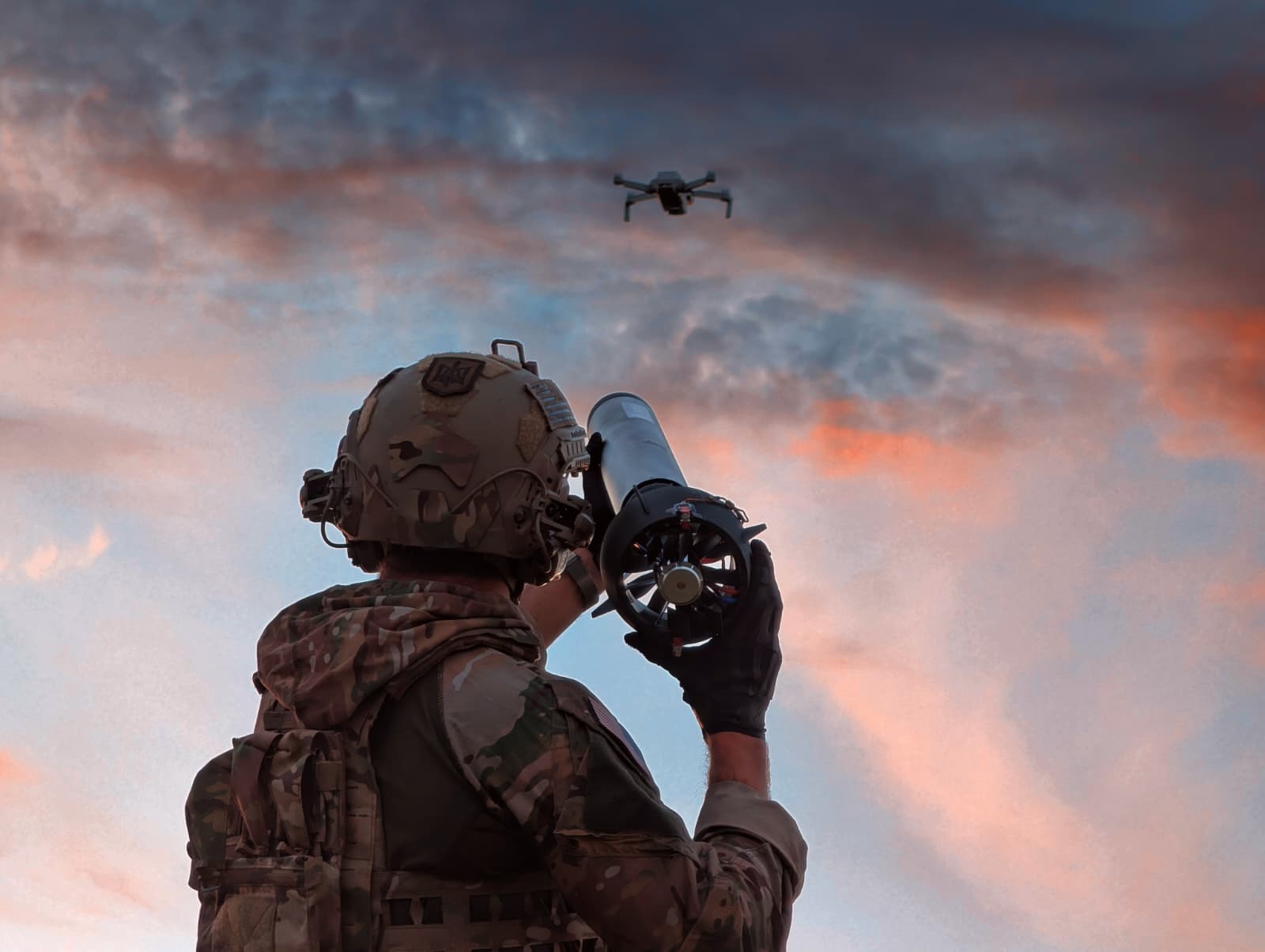
Drone threats operate on timelines measured in seconds. Setup time equals mission failure when an FPV drone is inbound at 30 m/s. SEAM-1's throw-and-go capability achieves launch in just seconds from threat detection.
Pre-deployment training windows are brutally limited. Complex systems demand weeks of certification. SEAM achieves operator proficiency in under 4 hours—same-day capability instead of multi-week pipelines.
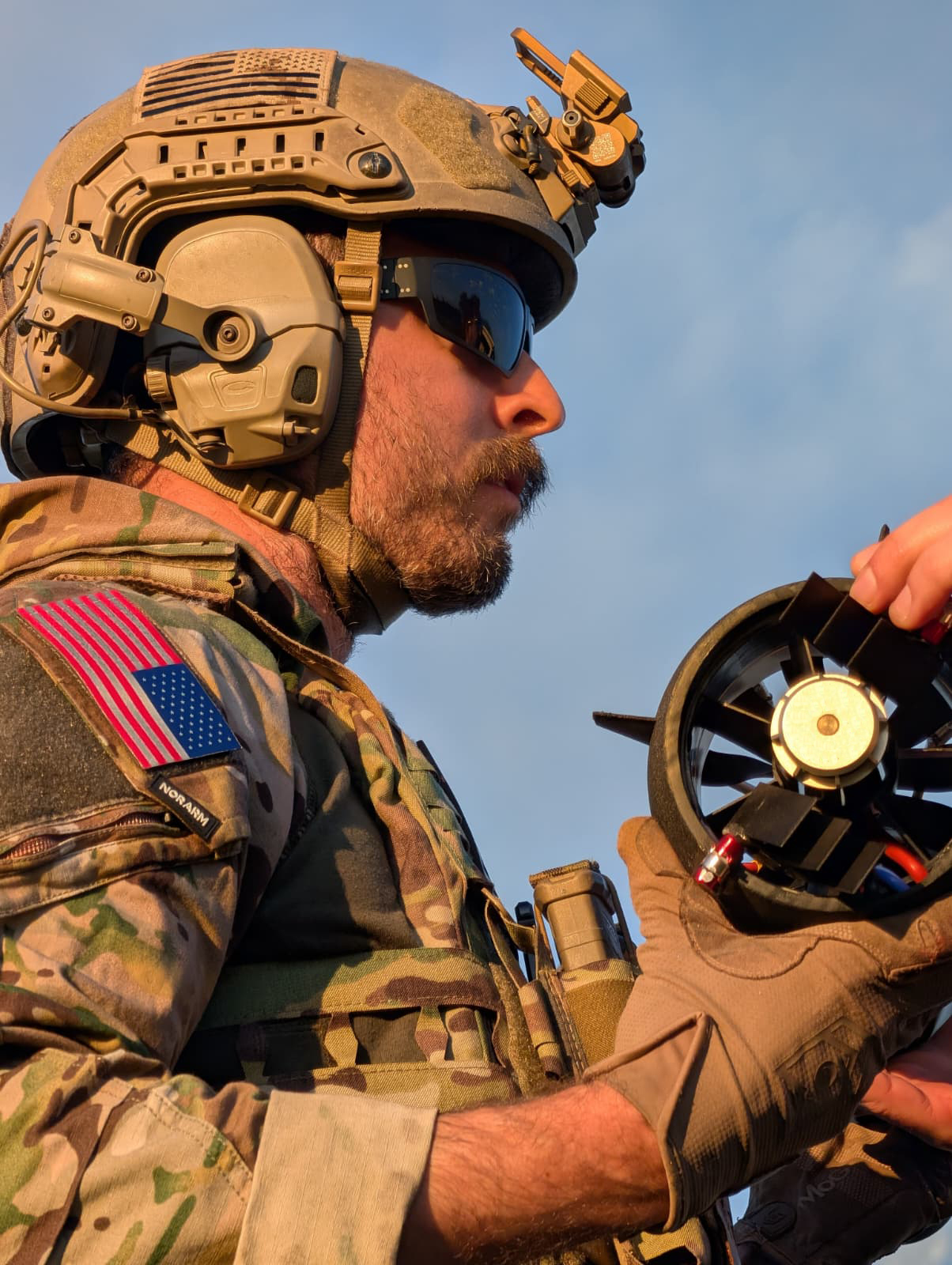
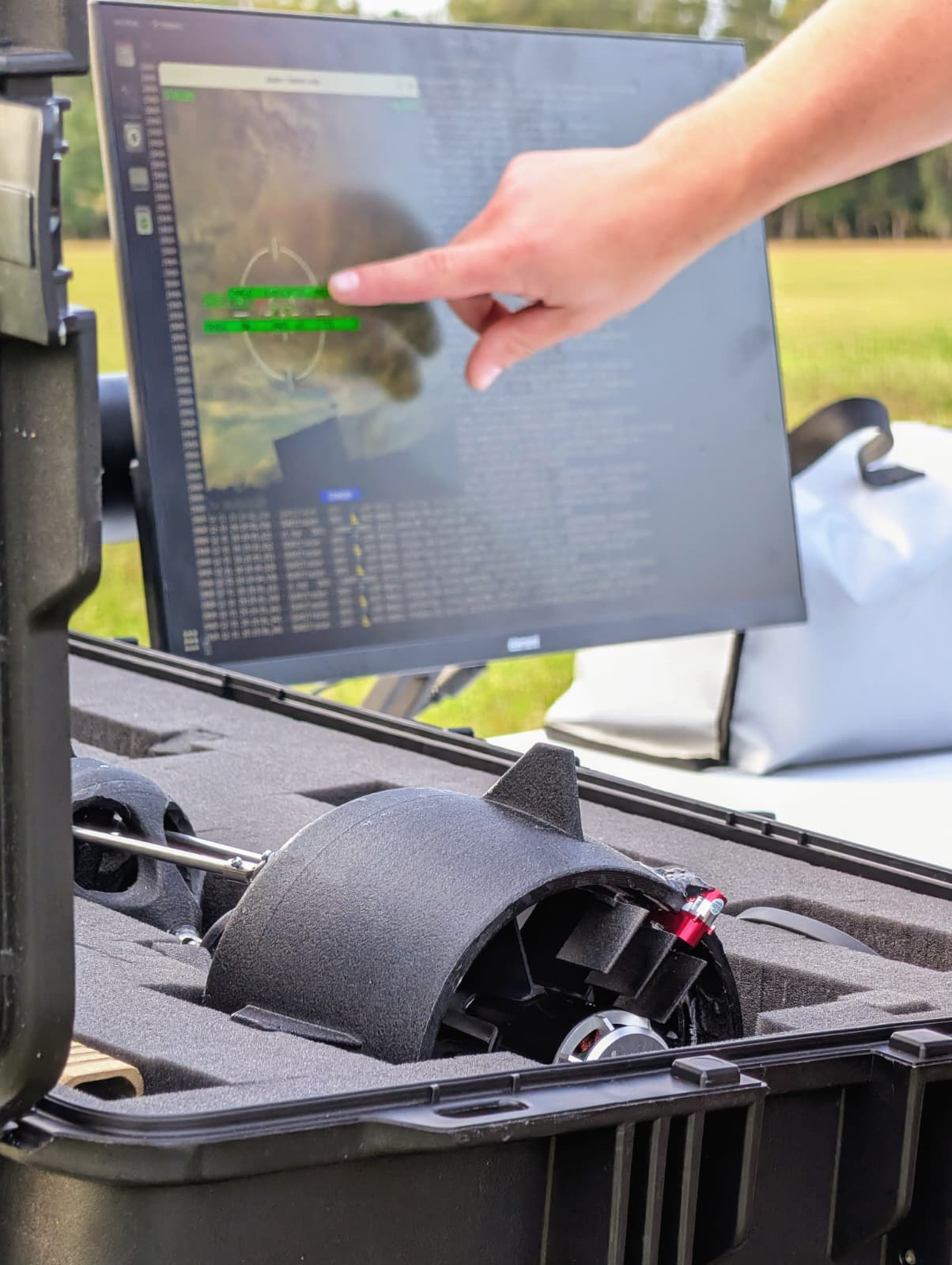
Special Operations insertions happen by air, vehicle, or foot. Exposed rotors and launch tubes create handling restrictions. SEAM's electric ducted fan eliminates exposed blades, requires no launch tube, fits in a ruck or vehicle bay.
SEAM-1 delivers organic counter-UAS capability directly to Special Operations Forces and infantry squads operating in GPS-denied, electronic warfare-contested environments where traditional air defense cannot reach and organic protection does not exist.
Engineered for warfighter requirements
Full capability in GPS-jammed environments
Near-peer adversaries jam GPS as standard operational practice. Ukraine has demonstrated this reality across thousands of square kilometers. GPS denial zones extend 50-100km from forward lines, creating vast areas where satellite navigation is degraded or denied entirely. Commercial and military GPS spoofing is ubiquitous.
Most counter-UAS drones fail completely in GPS-denied environments. They rely on satellite positioning for navigation, return-to-home functionality, position hold, and collision avoidance. When GPS is jammed, these systems become uncontrollable or crash.
SEAM was designed from the ground up for GPS-denied operations. This isn't a backup mode. This is primary design.
Downward-facing cameras track ground movement for position estimation—same technology that stabilizes smartphone video, adapted for tactical flight control.
Autonomous target lock maintained by onboard processing, tracking through maneuvers using algorithms optimized for intercept geometry.
SEAM remembers terrain visual signatures and navigates back by matching stored imagery to real-time camera feeds—no satellites, no beacons.
SEAM-1 is TRL 6-7 and available now. Field-ready system providing operational answers to the deadliest tactical threats of this decade. Production allocation for 2026 is severely limited.
Request Tactical DemonstrationContact Method Endeavors for availability, training, and deployment coordination.